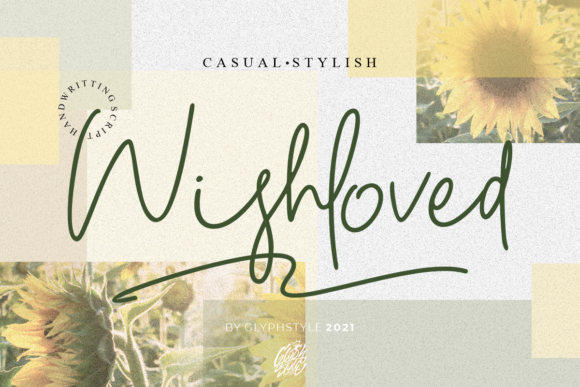
Wishloved: A Refined Script Font
There’s something about a well-crafted script font that can elevate a design from good to unforgettable. When I first opened the Wishloved file, I knew it had potential. It wasn’t just another script—there was a quiet confidence in its curves and a subtle strength in its structure. For a branding project, that kind of personality is invaluable.
The First Mockup: Finding the Right Tone
I was working on a visual identity for a small, independent café. The client wanted something warm, inviting, and a little bit timeless. I started by sketching out a few logo concepts, experimenting with different typefaces. That’s when I pulled up Wishloved. Its elegance felt right—like the kind of font you’d see on a vintage postcard or a handwritten note from a loved one.
On the initial mockup, it looked natural. The fluidity of the letters gave the logo a sense of movement, while the sharpness of the serifs kept it modern. I played with different sizes and spacing, trying to find the perfect balance between legibility and style. What stood out was how well it adapted to both bold headlines and more delicate text elements.
Branding Beyond the Logo
Once the logo was set, I moved on to the rest of the brand materials. From business cards to packaging, Wishloved proved to be versatile. On a coffee bag, it added a touch of sophistication without overwhelming the design. On a shop sign, it felt approachable yet professional. It wasn’t too flashy, but it had enough character to make an impression.
One of the things I appreciated most was how it handled different weights. The regular style worked great for body text, while the bold version made a strong statement in headings. It also had a range of alternates and ligatures, which allowed for more custom touches in the design. These details can make a big difference in the overall feel of a brand.
Designing for Different Mediums
When designing for social media, I found that Wishloved worked well as a headline font. It added a personal, handcrafted feel to posts and stories. On a website header, it brought a sense of luxury and refinement. Even on a flyer or poster, it maintained its clarity and charm.
For printed materials like menus or brochures, I paired it with a clean sans serif font to create contrast. This helped maintain readability while letting Wishloved shine where it needed to. The combination felt balanced and professional, without being too rigid.
Testing Before Committing
Before finalizing the font for the full brand system, I tested it extensively. I placed it on different backgrounds, in various sizes, and alongside other typefaces. I made sure it worked in both dark and light environments, and that it didn’t lose its integrity at smaller sizes.
It’s always a good idea to test a script font like Wishloved in real-world scenarios. Whether it’s on a product label, a website, or a social media graphic, seeing how it performs in context can help avoid unexpected issues later on.
Pairing with Other Fonts
Script fonts can sometimes be tricky to pair, but Wishloved had a nice flexibility. I tried it with a classic serif font for a more traditional look, and with a modern sans serif for a contemporary twist. In both cases, it held its own without clashing.
For a more casual vibe, I also experimented with a handwritten font. It created a nice contrast, adding a human element to the design. But even on its own, Wishloved had enough presence to stand out.
Practical Tips for Using Wishloved
If you’re considering using Wishloved in your next project, here are a few tips. First, check the available styles and ensure they meet your needs. Some fonts have limited weights or alternate characters, so it’s worth verifying what’s included.
Also, think about the context in which you’ll use it. While it’s excellent for logos and headlines, it may not be ideal for long blocks of text. Use it as a display font or accent to keep your design looking polished and intentional.
Finally, don’t forget about licensing. Make sure you have the right permissions for commercial use, especially if you’re working on a client project. Most premium fonts come with clear guidelines, but it’s always better to double-check.
Wishloved in Action
As the café project came together, I could see how Wishloved contributed to the overall aesthetic. It wasn’t just a font—it was part of the story. It helped convey the warmth and craftsmanship of the business, reinforcing the brand’s values in every piece of design.
Whether you’re working on a logo, a packaging design, or a social media campaign, Wishloved offers a refined, elegant option that can add character and professionalism. It’s a font that understands the balance between beauty and function, making it a valuable addition to any designer’s toolkit.
For those looking for a script font that feels both modern and timeless, Wishloved is definitely worth exploring. It’s a great example of how typography can shape the way people perceive a brand—and how a single typeface can make all the difference.